RALLY GROUP B The Golden Age of Rally

"And rallying, I’m afraid, is a sport for the terminally gormless." --Jeremy Clarkson

Scroll to explore
Audi Quattro

What Was Group B?

Group B was an FIA rally class that allowed manufacturers to push the boundaries of automotive engineering to their absolute limits.

With very minimal restrictions, manufacturers could unleash their wildest engineering dreams onto the rally stages. This wasn't just racing—it was automotive warfare.
Few Restrictions

Very few limitations on technology and design meant the teams could push the boundaries of automotive engineering to their absolute limits

🏎️

Lightweight Materials

Space grade materials used just to lower the weight of the car

💨

Massive Power

500–600+ horsepower monsters and high power to weight ratio

🔧

Minimal Homologation

Only 200 road cars needed to be manufactured before the cars could be used in the rally series

2.3s
0-100 km/h ON GRAVEL ROADS!
600+
Horsepower
900
kg Weight

Legendary Machines

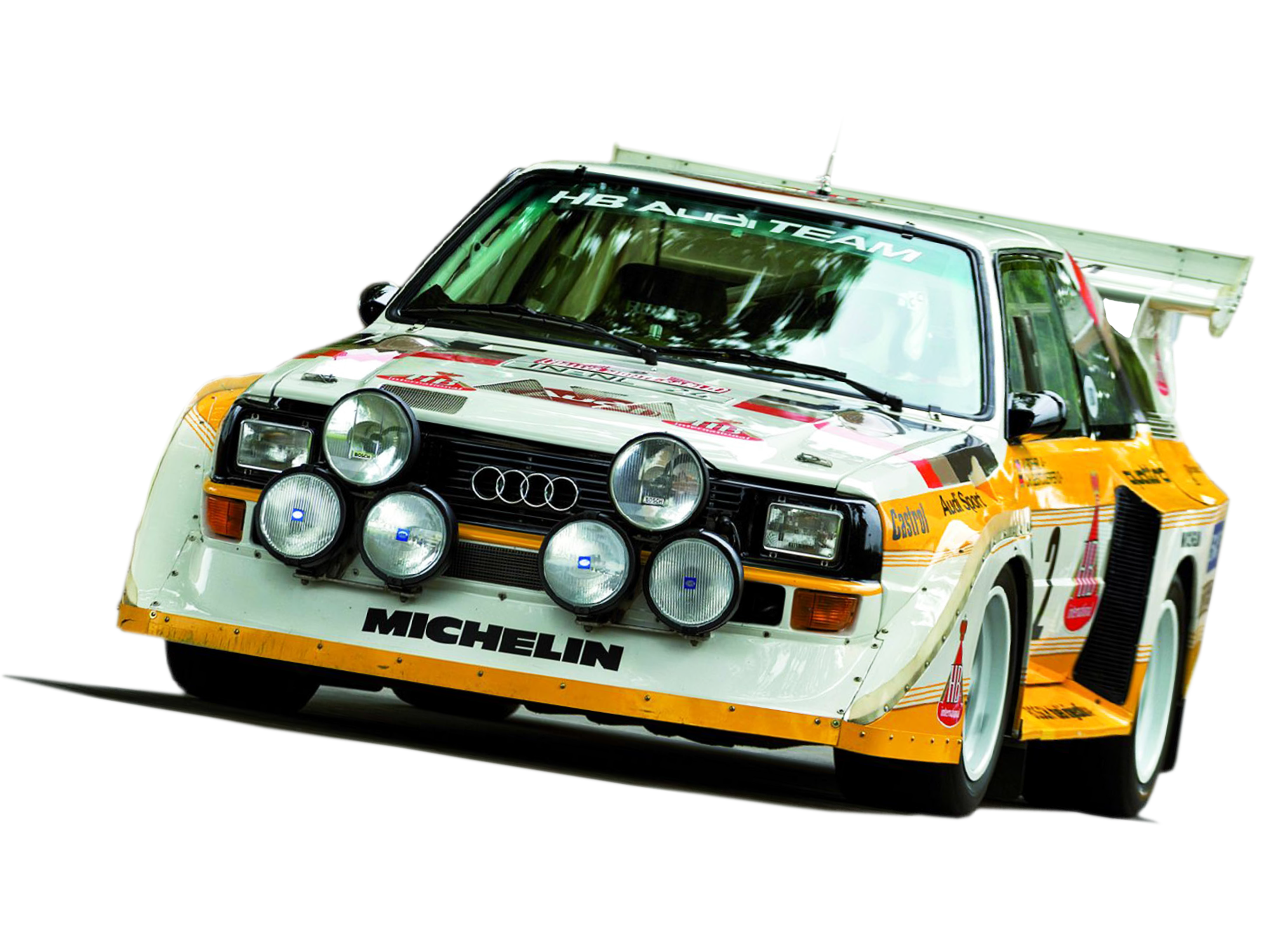
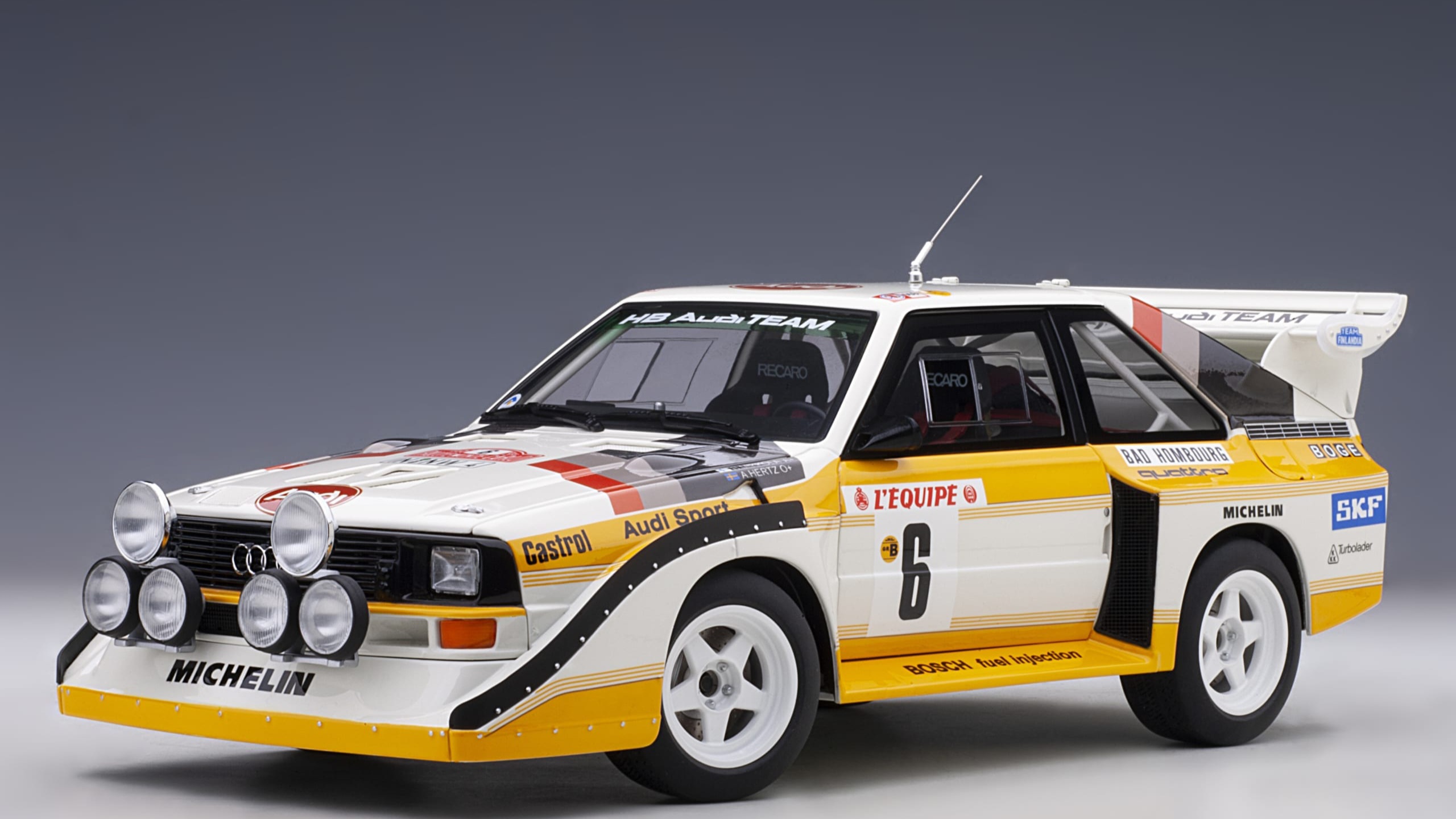
Audi Quattro S1

Audi Quattro S1

The pioneer of all-wheel-drive in rally. A technological marvel that changed the sport forever.

Click to expand
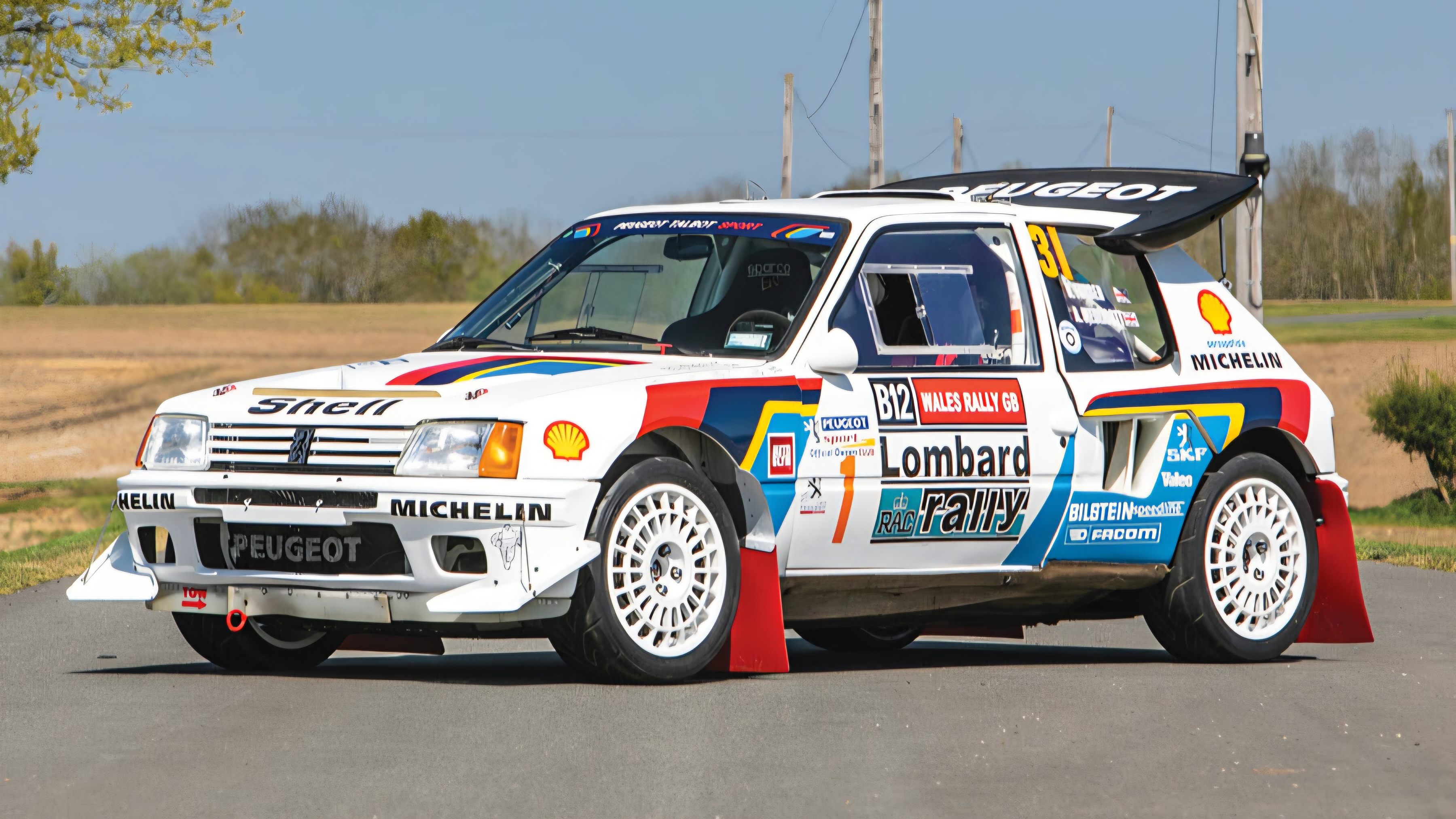
Peugeot 205 T16

Peugeot 205 T16

Mid-engine, all-wheel-drive perfection. One of the most successful Group B machines.

Click to expand
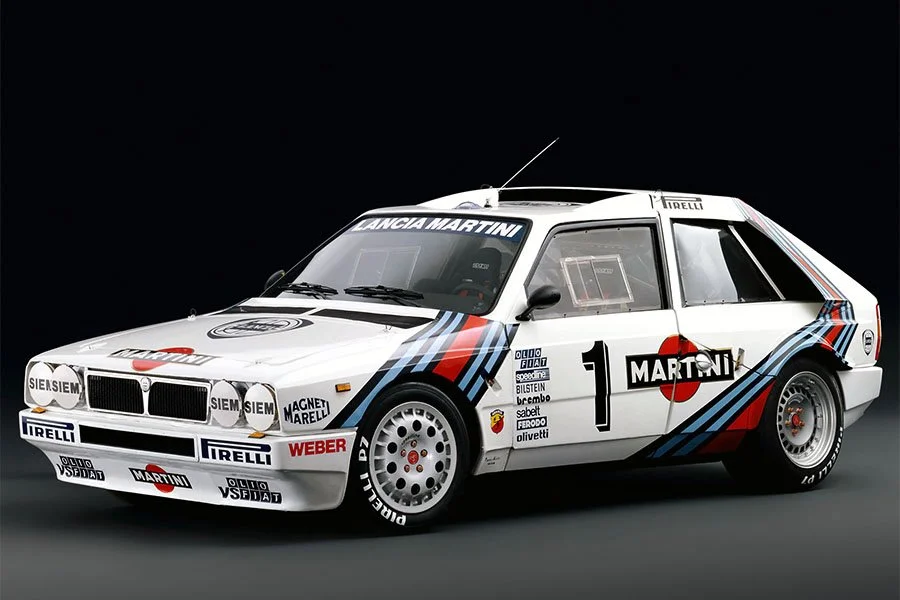
Lancia Delta S4

Lancia Delta S4

Twin-charged monster with both turbo and supercharger. The ultimate Group B weapon.

Click to expand
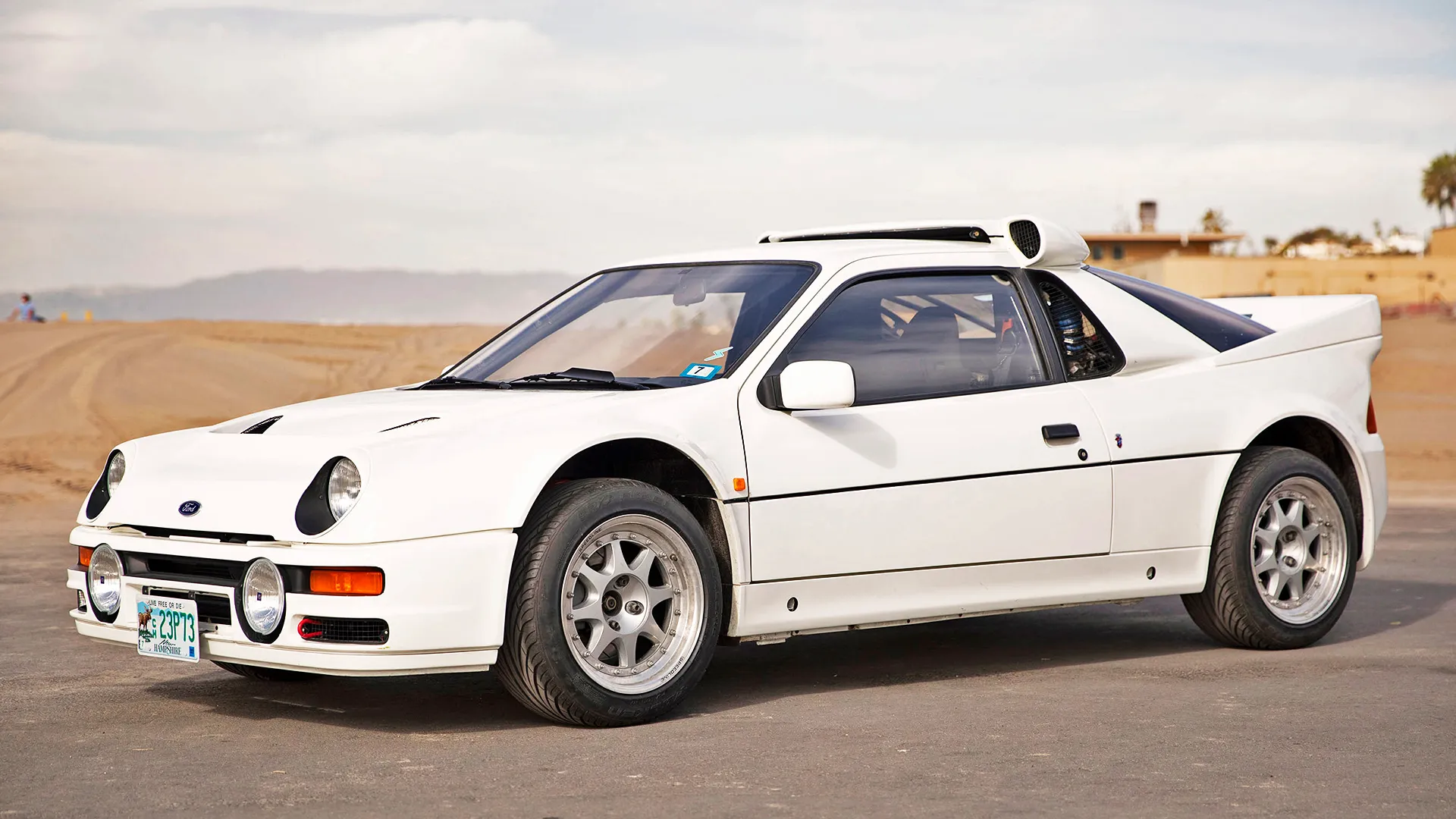
Ford RS200

Ford RS200

British engineering at its finest. A purpose-built rally weapon with incredible performance.

Click to expand
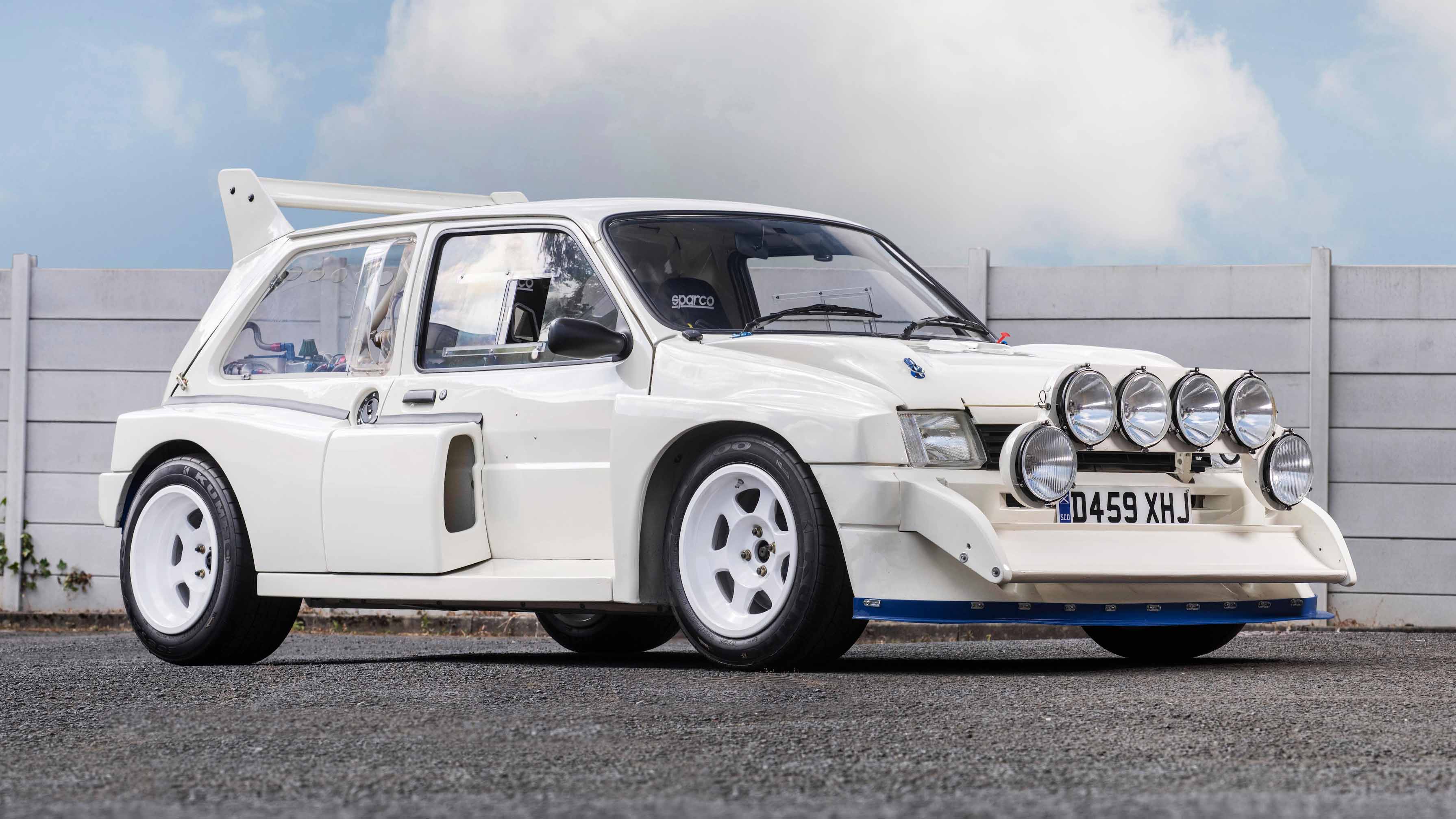
MG Metro 6R4

MG Metro 6R4

Naturally aspirated V6 power. The last of the Group B legends.

Click to expand

Why Did Group B Have to Stop?

⚠️

The cars became too fast for the safety standards of the 1980s

1

Too Powerful, Too Light

500–600+ hp in a car weighing around 900 kg. Drivers described the acceleration as violent—like a "grenade exploding" under the hood. The power-to-weight ratio was simply too extreme.

2

Poor Safety Equipment

No carbon safety cells, weak roll cages, no modern fire resistance, no halo, no HANS device. The sport simply wasn't ready for that level of speed and danger.

3

Spectator Chaos

Crowds stood inches from the cars. Drivers said the crowd would "open like a sea" as they approached. It only worked until it didn't...

4

Fatal Crashes

A series of tragic events that changed everything. The Lancia Delta S4 crash in Corsica 1986, where Henri Toivonen and co-driver Sergio Cresto lost their lives, was the final trigger.

The Final Crash

Car: Lancia Delta S4
Driver: Henri Toivonen
Location: Corsica, 1986

The car went off a cliff, fuel ignited, and both driver and co-driver died. This was the moment that changed everything.

When Did It End?

After Toivonen's crash in 1986, the FIA announced:

Group B was banned for the next season (1987)

Manufacturers were shocked, but rallying had no choice if it wanted to remain a safe sport. The era of unlimited power and minimal restrictions was over.